
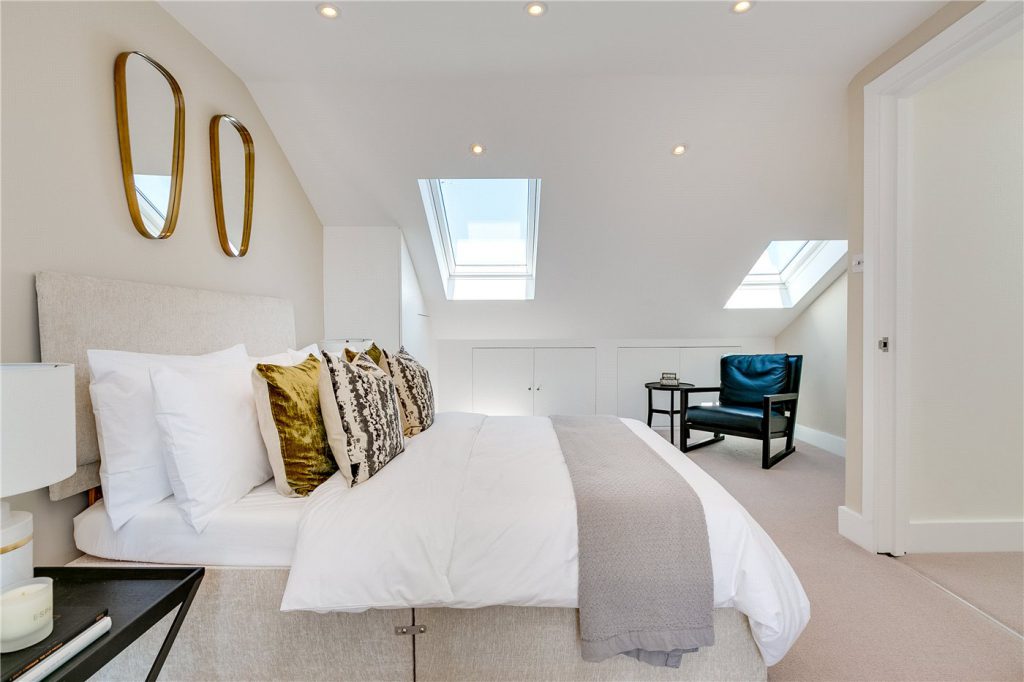
Creative use of a Loft Space with Our Loft and Roof Conversions
Loft and roof conversions have become increasingly popular in the United Kingdom. Many homeowners now seek to maximise their living space without the hassle and cost of moving to a new property.
One of the best ways to do this is to turn the frequently ignored lofts into useful and fashionable living spaces. An unused attic will provide you with the additional bedroom, home office, or quiet retreat you’ve been searching for.
Bespoke Architectural Planning of Loft Conversions
Utilising loft space with roof conversions is a clever way to improve the usability, worth, and appeal of your home. You can realise the loft’s full potential and design a space that enhances your daily life.
However, to get the best loft conversion ideas with careful thought, adherence to rules, and thoughtful design using reputable architects is the way forward.
Introducing ASG – Architectural Services Group
As established residential architects, our knowledge encompasses engineering drawings, party wall agreements, and detailed design. After the design phase is complete, we can help you select and oversee the best builder for your project to guarantee affordable prices and high-calibre building work.
Loft Conversions and Architectural Specialist
As a loft conversion specialist design company, we provide a free initial consultation to go over your extension needs and give you an idea of the associated costs.
Designing Dreams, Building Realities – Loft and Roof Conversions Done Right
Additionally, ASG has a group of skilled project managers who can supervise your conversion project from beginning to end. This makes sure the builder follows our detailed drawings and that everything goes according to plan.
Building Regulations for Loft Conversions in the UK
At ASG, we are familiar with the latest and most relevant building and compliance regulations required for a loft extension. These regulations cover aspects such as fire safety, insulation, structural integrity, and access.
Structural Stability
Your loft conversion must have a strong structural foundation and be able to support a variety of loads, such as the weight of the new furnishings, occupants, and living space. Usually, structural calculations and plans are required.
Fire Safety
To provide a secure exit in the event of a fire, loft conversions must include fire safety features like fire-resistant doors, escape windows, and smoke alarms.
Insulation and Energy Efficiency
To comply, adequate insulation and energy-efficient measures are necessary. This enhances the new space’s thermal performance while lowering energy use and heating costs.
Electrical and Plumbing
Any plumbing and electrical work must be completed by qualified professionals and adhere to the necessary safety standards. This includes making sure there are enough outlets and that the ventilation is appropriate.
Staircases
The stairs to access the loft conversion must be safe and comply with building regulations. This often requires installing a loft conversion staircase that is permanent with appropriate headroom and handrails.
Soundproofing
Sound insulation is crucial to prevent noise disturbance between different parts of the property.
Planning Permission for UK Loft Conversions
Loft conversions typically fall under “Permitted Development Rights” in the UK, allowing you to carry out the conversion without needing a permit, subject to some restrictions. We ensure that your project complies with all necessary legal requirements to guarantee planning permission.
Size and Location
The size, height, and location of the loft conversion are all subject to the limitations of permitted development rights. For instance, it shouldn’t exceed a certain volume or extend past the slope of the current roof on the house.
Conservation Areas and Listed Buildings
You might need planning permission for even a small loft conversion if your property is in a conservation area or is a listed building.
Restrictions on Balconies and Terraces
Planning permission may be needed to construct a balcony or terrace as part of the loft conversion, and it must not intrude upon your neighbour’s privacy.
Local Authority Consultation
Input from neighbours and local authorities on your loft conversion plans may be possible, especially if they are worried about the effects on the neighbourhood.
Party Wall Agreements
If your property is semi-detached or a terraced house, you may need to obtain a Party Wall Agreement. This is necessary if the loft conversion involves work on or near a party wall (the wall shared with your neighbour)
Building Styles and Loft Conversion Types
Houses and types of attic conversions frequently depend on existing roof structures. A different type of roof, like gable, hipped, or flat roofs, might call for a particular loft transformation design. Below we have outlined the popular types of transformations.
Velux loft conversion
A Velux loft conversion design is a type of attic conversion that primarily involves adding roof windows, provided by the Velux brand. Without typically changing the roof’s structure, this transformation is intended to maximise natural light and ventilation within the loft area. By installing roof windows that provide plenty of daylight and can be opened for fresh air.
Dormer loft conversion
Dormer loft conversions involve adding a dormer to the existing roof and is known as a dormer loft conversion. This dormer conversion addition typically extends vertically from the roof’s pitch. Thus giving the loft area more ceiling headroom and usable floor area.
Mansard loft conversion
Mansard loft conversions are a type of loft conversion that involves altering the roof structure to create nearly vertical walls and a flat roof slope. By expanding the loft outward, this conversion typically maximises the amount of usable floor space.
Architectural Home Projects from Build Concept to Reality
When you’re considering a loft conversion or a comprehensive interior design. ASG is here to provide you with exceptional loft conversions and architectural services for all types of homes.
Contact us today to discuss your house project requirements with an experienced architect. All contact information can be found on our website.